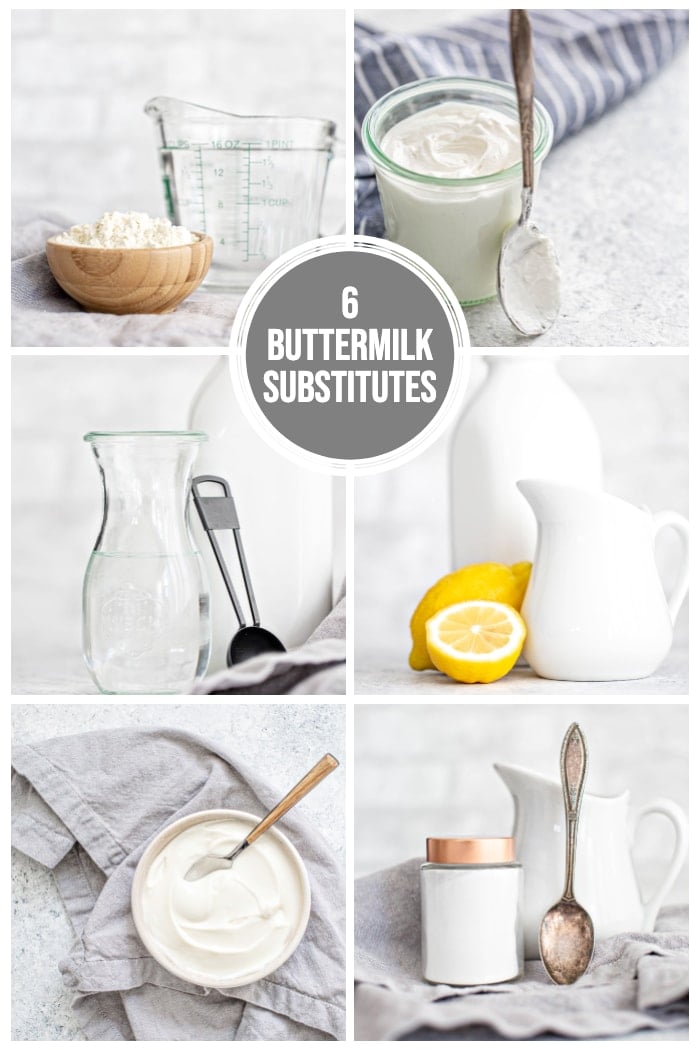
No Buttermilk? Transform Any Milk in Minutes for Baking Success
Ever found yourself mid-recipe, staring at the ingredient list, only to hit a wall when it calls for buttermilk? It’s a common scenario for home bakers and cooks alike – a crucial ingredient, yet not always a pantry staple. The good news? A last-minute dash to the store is completely unnecessary! We're about to share an invaluable kitchen tip how to make buttermilk at home with just two simple ingredients you likely already have, transforming any milk into this baking powerhouse in mere minutes.
Buttermilk is that unsung hero behind perfectly flaky biscuits, impossibly fluffy pancakes, and mouthwateringly tender fried chicken. While its traditional form was the tangy liquid left after churning butter, today's store-bought varieties are typically cultured milk, offering a similar acidic profile. This acidity is the key, and replicating it at home is not just easy, it’s a game-changer for your culinary adventures.
The Science of Sour: Why Buttermilk is a Baking Essential
Before we dive into the "how," let's explore the "why." What makes buttermilk so indispensable in countless recipes? It’s more than just its distinct tangy flavor; it's a scientific marvel in the kitchen.
- The Acid-Base Reaction: The primary reason recipes call for buttermilk is its acidity. When buttermilk (an acid) meets baking soda (a base), a chemical reaction occurs, producing carbon dioxide bubbles. These tiny bubbles are what give your baked goods their airy, light texture and help them rise beautifully. Without this reaction, your muffins might be dense, and your pancakes flat.
- Tender Texture and Moisture: The acid in buttermilk also works its magic on gluten proteins in flour, tenderizing them. This results in a softer, more delicate crumb in cakes, quick breads, and biscuits. Additionally, buttermilk adds a unique moisture that water or regular milk simply can't replicate, without making the finished product heavy or greasy.
- Enhanced Flavor Profile: Beyond the functional aspects, buttermilk imparts a subtle, pleasant tang that balances richness and adds depth to both sweet and savory dishes. It’s a flavor dimension that elevates everything from salad dressings to marinades.
Understanding this science empowers you to appreciate the ingenious simplicity of our homemade solution. You're not just creating a substitute; you're harnessing the very chemical properties that make buttermilk a baking superstar.
Your Smart Kitchen Tip: Why Homemade Buttermilk Wins
Opting to make your own buttermilk isn't just a convenient fallback; it's a smart, economical, and flexible choice for any home cook. Here’s why this kitchen tip how to make buttermilk should be in every baker's arsenal:
- No More Waste: How often do you buy a full carton of buttermilk for a recipe that only requires a half-cup? Making it at home means you produce precisely the amount you need, eliminating food waste and saving money. It's a truly budget-friendly solution that keeps your pantry lean and your wallet happy. For more ways this hack saves you money, check out Unlock Fluffy Bakes: The Budget-Friendly 2-Ingredient Buttermilk Hack.
- Ultimate Freshness Control: You mix it when you need it. This ensures the acid is at its peak potency, ready to react vigorously with your leavening agents. This fresh activation can lead to superior rise and texture compared to an older, store-bought carton.
- Unbeatable Versatility: This method is incredibly adaptable. It works flawlessly with virtually any type of milk you have on hand – whole milk, 2%, skim, or even most plant-based alternatives like oat milk, soy milk, or almond milk. This flexibility ensures you're never stuck, regardless of dietary preferences or what's currently in your fridge.
- Instant Gratification: The entire process takes just about 5 minutes from start to finish. There’s no waiting around, no special equipment, just a quick transformation that keeps your baking flow uninterrupted. Discover the simplicity in detail with DIY Buttermilk in 5 Minutes: Simple 2-Ingredient Kitchen Solution.
This simple hack transforms a potential recipe roadblock into a smooth culinary journey, proving that the best kitchen solutions are often the simplest.
Your 5-Minute Buttermilk Recipe: Step-by-Step Guide
Ready to put this essential kitchen tip how to make buttermilk into practice? Here's the incredibly easy, step-by-step process:
What You'll Need:
- 1 cup milk: Any type will do – whole, 2%, skim, or even non-dairy options like oat, soy, or almond milk.
- 1 tablespoon acid: White vinegar or fresh lemon juice are your best bets.
Equipment:
- Liquid measuring cup (at least 1-cup capacity)
- Spoon for stirring
Instructions:
- Step 1: Add the Acid First
Pour 1 tablespoon of your chosen acid (white vinegar or fresh lemon juice) into your liquid measuring cup. Both work beautifully, but they have subtle differences. Lemon juice can impart a very faint citrus note, which is lovely in things like lemon poppy seed muffins or quick breads. White vinegar, on the other hand, is virtually neutral in flavor, making it perfect for recipes where you want the buttermilk tang without any additional zest, such as fried chicken or savory biscuits. - Step 2: Fill with Milk
Carefully pour your milk into the measuring cup until it reaches the 1-cup line. This means you'll be using just shy of a full cup of milk, which is the perfect ratio to achieve the right pH level for optimal curdling and performance. Pro Tip: If possible, use milk that's at room temperature. Cold milk will still curdle, but room temperature milk tends to curdle faster and more evenly, giving you better results quicker. - Step 3: Gentle Stir
Give the mixture a light, gentle stir with your spoon. You don't need to whisk it vigorously; just ensure the acid and milk are well combined. The magic is already beginning to happen at a molecular level, and you'll soon start to see visible changes. - Step 4: Let It Rest and React
Allow the mixture to sit undisturbed for 5-10 minutes. During this time, the acid will go to work, causing the milk proteins to thicken and slightly curdle. You'll notice tiny flecks or a slightly thicker consistency, similar to traditional buttermilk. By the end of this rest period, your homemade buttermilk substitute will be ready to use in any recipe calling for buttermilk.
Troubleshooting & Pro Tips:
- Not Curdling Enough? If after 5-10 minutes you don't see significant curdling, ensure your milk was not ice-cold. If it was, give it a few more minutes, or gently warm it slightly (not hot!) before adding the acid next time. Also, verify your acid is fresh and potent.
- Scaling the Recipe: This ratio is easily scalable. For every cup of buttermilk needed, use 1 tablespoon of acid and fill the rest of the cup with milk. For instance, if a recipe calls for ½ cup of buttermilk, use ½ tablespoon of acid and fill to the ½-cup line with milk.
- Plant-Based Milks: While most plant-based milks (especially soy and oat) curdle well, some brands or types (like thinner almond or rice milk) may not curdle as visibly. However, the acidic reaction still occurs, providing the necessary pH change for baking soda activation. The key functional aspect is the acidity, not just the visible curdling.
Unleashing the Power of Homemade Buttermilk in Your Recipes
Now that you’ve mastered this fundamental kitchen tip how to make buttermilk, it's time to put it to work! Your homemade buttermilk will perform identically to store-bought versions, bringing its signature tang, tenderness, and rise to a vast array of dishes:
- Pancakes & Waffles: Experience truly light and fluffy breakfast staples. The acid reacts with baking soda in the batter, creating those irresistible airy pockets.
- Biscuits & Scones: Achieve that classic flaky texture and tender crumb that only buttermilk can deliver.
- Quick Breads & Muffins: Ensure a moist texture and a beautiful dome-like rise for banana bread, corn bread, or blueberry muffins.
- Fried Chicken Marinade: Buttermilk is a fantastic tenderizer for meats. Marinate chicken pieces for an incredibly juicy and flavorful result.
- Dressings & Sauces: Add a creamy tang to homemade ranch dressing, coleslaw, or other creamy sauces.
The possibilities are endless, and with this simple hack, you'll never again hesitate to try a recipe that calls for this wonderful ingredient.
Conclusion
Gone are the days of last-minute grocery runs or skipping recipes because you're out of buttermilk. This simple, two-ingredient kitchen tip how to make buttermilk empowers you to create a perfect substitute in minutes, using ingredients you almost certainly have on hand. It's a testament to the power of basic kitchen chemistry and a secret weapon for achieving consistently delicious, perfectly textured baked goods and savory dishes. Embrace this easy hack, reduce waste, save money, and elevate your cooking with the magic of homemade buttermilk. Happy baking!
